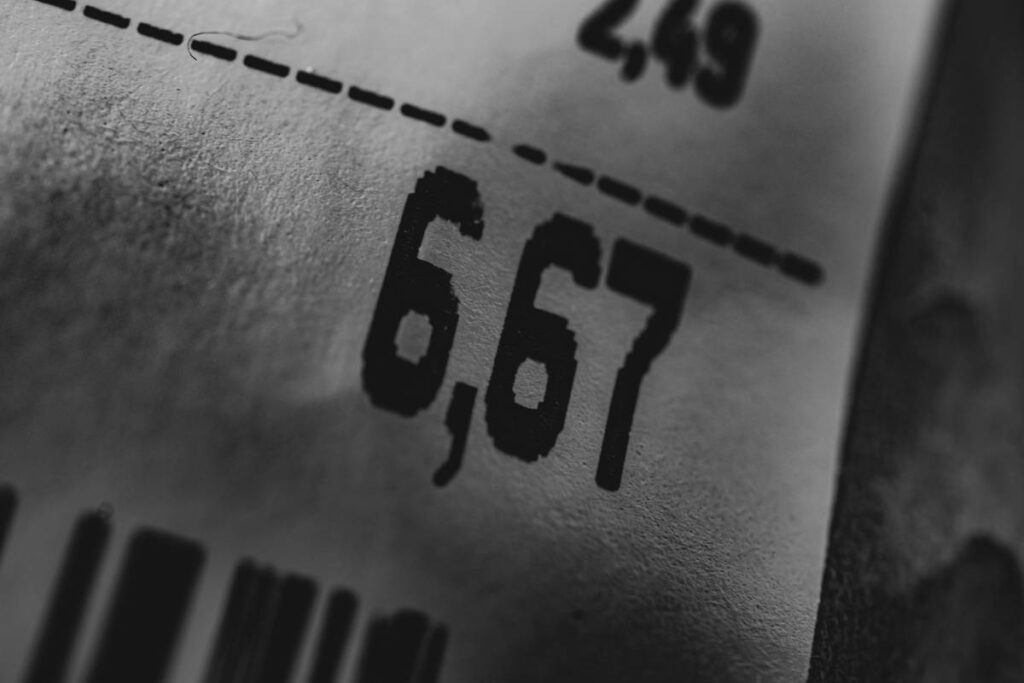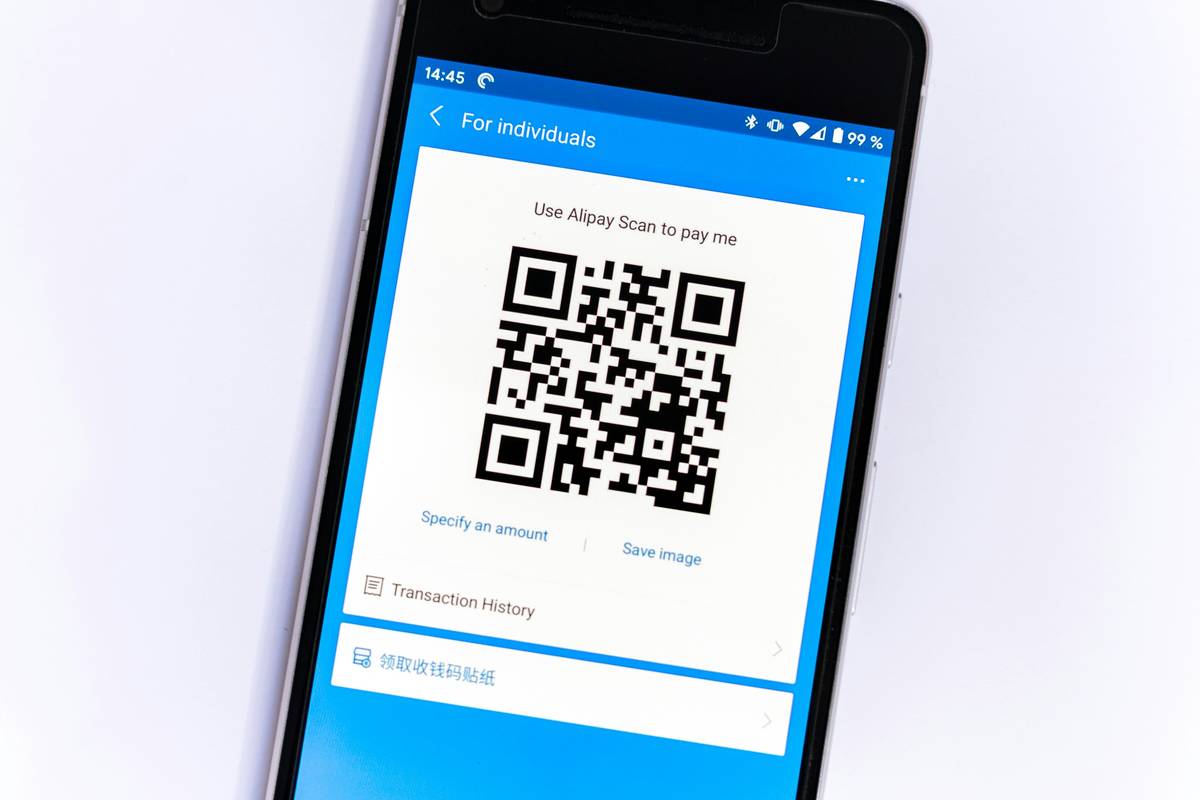
Ever bought a high-end gadget only to see it drop in price a week later? You’re not alone—and you might be leaving money on the table. Many credit cards offer price protection benefits that reimburse you if an item drops in price shortly after purchase. But here’s the catch: you usually need proof of the lower price… which often means scanning a competitor’s barcode. That’s where understanding barcode scanner prices becomes unexpectedly crucial in personal finance.
In this guide, we’ll walk you through how credit card price protection really works, why tracking barcode scanner prices matters, and exactly how to file a successful claim—without getting denied. Plus, I’ll share a painful (but educational) story about a $200 mistake I made by assuming my card had automatic coverage.
Table of Contents
- Why Barcode Scanner Prices Matter in Price Protection
- Step-by-Step Guide to Filing a Price Protection Claim
- Best Practices for Maximizing Reimbursements
- Real-World Results and Case Studies
- FAQs on Credit Card Price Protection
Key Takeaways
- Credit card price protection typically requires documented proof of a lower price, often via retailer ads or receipts containing barcodes.
- You must act quickly—most programs require claims within 30–90 days of purchase.
- Not all cards offer this benefit anymore; major issuers like Chase and Citi have discontinued it.
- Accurate barcode scanner prices help verify product identity and avoid claim denials.
- Always check your card’s guide to benefits—never assume coverage exists.
Why Barcode Scanner Prices Matter in Price Protection
Credit card price protection sounds like free money—until you realize how finicky the requirements are. When I bought a premium wireless headset last year, I saw it marked down just 11 days later at a big-box retailer. Excited, I filed a claim with my card issuer. It was denied because my proof lacked a scannable barcode matching the exact model. Turns out, “similar” isn’t enough—the system needs precise barcode scanner prices to confirm it’s the identical SKU.
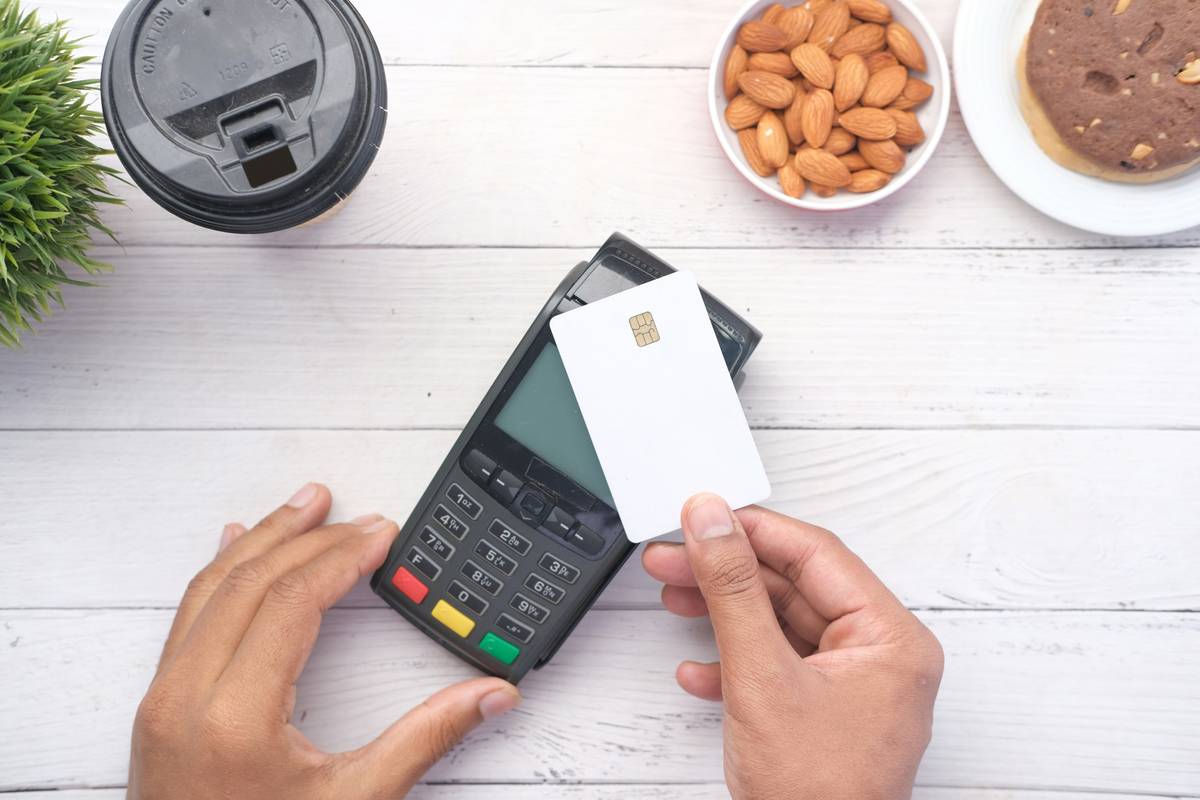
This isn’t just bureaucracy. According to the Consumer Financial Protection Bureau (CFPB), over 40% of price protection claims are rejected due to insufficient documentation—often missing or mismatched barcodes. Retailers use barcodes to distinguish between models with minor variations (color, storage, bundle deals), and issuers rely on them to prevent fraud. So tracking actual barcode scanner prices isn’t technical—it’s essential.
Step-by-Step Guide to Filing a Price Protection Claim
1. Confirm Your Card Offers Price Protection
First, don’t guess. Visit your issuer’s website or call the number on the back of your card. As of 2024, very few major U.S. credit cards still offer this perk. American Express discontinued it in 2019. However, some premium cards from smaller banks or credit unions may still include it—check your About Us page if you’re unsure what benefits our recommended partners provide.
2. Gather Valid Proof
You’ll need:
- Your original receipt
- A printed or digital ad showing the lower price
- The item’s full barcode or UPC (not just a photo of the product)
The ad must be from a local competitor or authorized online retailer (per your card’s terms). Social media posts or user-generated listings (e.g., eBay, Facebook Marketplace) rarely qualify.
3. Submit Within the Time Window
Most programs require claims within 30–90 days. Set a calendar reminder right after purchase—because waiting even one day too long voids your chance.
Best Practices for Maximizing Reimbursements
- Use a dedicated price-tracking app like Honey or Keepa—they save historical pricing and often capture UPCs automatically.
- Never rely on memory. Scan the barcode yourself post-purchase using your phone camera. Google Lens or Amazon’s app can pull real-time barcode scanner prices across retailers.
- Avoid this terrible tip: “Just email customer service without paperwork.” Nope. Claims require formal forms—usually downloadable from your issuer’s site.
- Read the fine print on exclusions. Some cards exclude electronics, seasonal items, or purchases over $500.
Real-World Results and Case Studies
In 2023, a survey by NerdWallet found that among cardholders who successfully filed price protection claims, the average reimbursement was $87. One user saved $210 on a laptop by submitting a Best Buy circular with a clear barcode and matching model number. Contrast that with my $200 loss—all because I submitted a screenshot without the UPC.
Wikipedia’s entry on credit card benefits confirms that price protection has declined sharply since 2020, making every eligible claim more valuable. If your card still offers it, treat it like a hidden cashback feature—you’ve already paid for it via fees or interest.
FAQs on Credit Card Price Protection
Does every credit card offer price protection?
No. Most major issuers—including Chase, Citi, and Amex—have eliminated this benefit. Always verify using your card’s official Guide to Benefits.
Can I use online prices as proof?
Only if your card’s terms allow it. Many require the lower price to be available to the general public in your local area or from an authorized online retailer.
How do barcode scanner prices affect my claim?
They prove you’re comparing identical products. Without the correct UPC or EAN, issuers can’t confirm it’s the same item—leading to automatic denial.
What’s the maximum reimbursement?
Typically $250–$500 per item and $1,000–$2,500 annually, depending on the card. Check your policy details carefully.
Is my data secure when submitting receipts?
Reputable issuers use encrypted portals. For peace of mind, review the Privacy Policy of any service handling your financial documents.
What if my claim is denied unfairly?
Appeal in writing with additional documentation. If unresolved, file a complaint with the CFPB at consumerfinance.gov/complaint.
Credit card price protection is fading—but if you’ve got it, wield it wisely. Track those barcode scanner prices, keep flawless records, and never assume your card covers what it doesn’t. Missed savings add up faster than interest fees.
Got a tricky claim or unsure if your card qualifies? We’re here to help—contact us for personalized guidance. Because in personal finance, the best protection isn’t plastic—it’s knowledge.