Have you ever bought something only to see it drop in price a week later—leaving you kicking yourself? You’re not alone. Millions miss out on credit card price protection benefits simply because they don’t understand price protection eligibility. In this guide, we’ll cut through the fine print so you can recover cash when prices fall—without getting denied.
Table of Contents
- Why Price Protection Eligibility Matters in Personal Finance
- Step-by-Step: How to Qualify for Price Protection
- 5 Best Practices to Maximize Your Claims
- Real Examples That Show It Works (and When It Doesn’t)
- Frequently Asked Questions
Key Takeaways
- Most major credit cards phased out price protection by 2020, but some still offer it—you must verify your specific card benefits.
- Eligible items typically exclude clearance sales, auctions, and services.
- You usually have 30–60 days from purchase to file a claim with proof of lower price.
- Understanding price protection eligibility prevents wasted time and rejected claims.
Why Price Protection Eligibility Matters in Personal Finance
Price protection sounds like free money—but only if you qualify. This benefit refunds the difference when an item you bought drops in price within a set window. Yet many consumers assume all credit cards offer it, or that any purchase counts. That’s how I lost $89 on a laptop stand last year.
I swiped my card, found the same stand $30 cheaper two weeks later at a big-box retailer, and submitted a claim. Denied. Why? The merchant was listed as “ineligible” in my card’s terms—and I’d missed that tiny footnote. Lesson learned: never assume price protection eligibility applies universally.
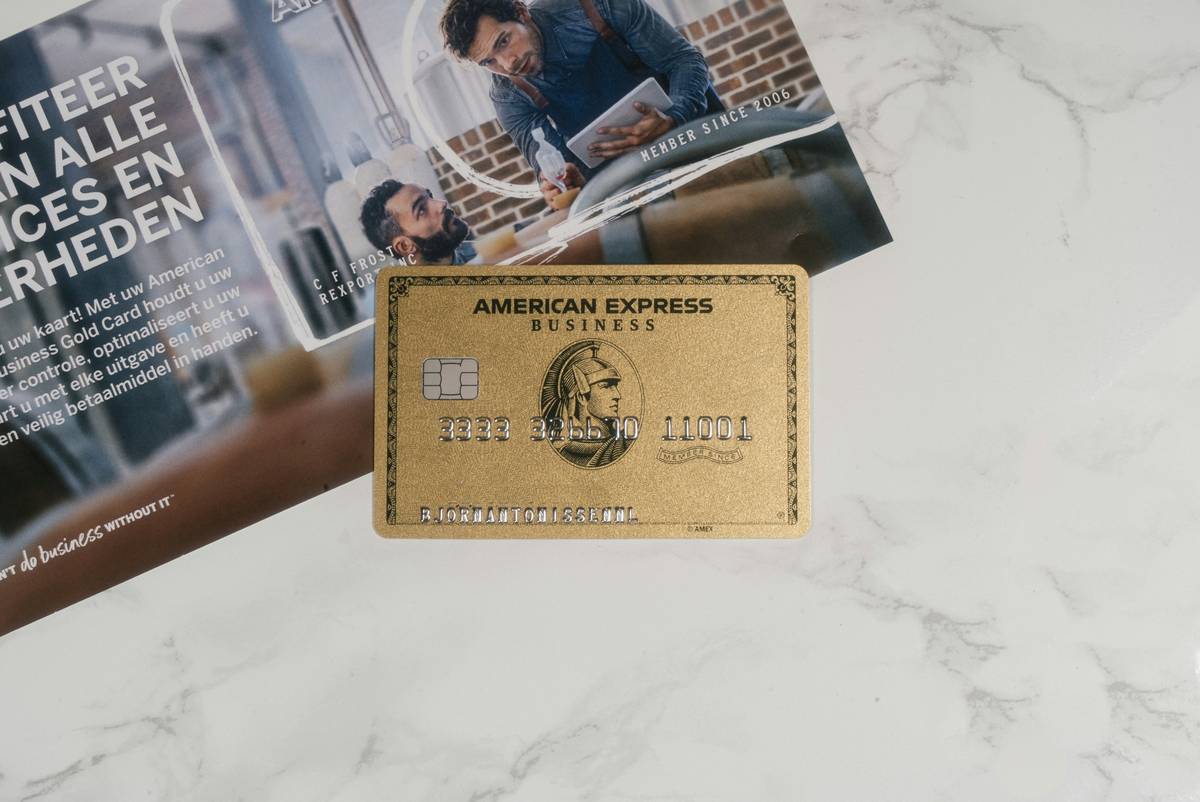
While issuers like Chase and Citi discontinued broad price protection programs after 2019 (CFPB credit card protections overview), select premium cards—especially from American Express and certain co-branded offerings—still include it. Always check your cardholder agreement before shopping.
Step-by-Step: How to Qualify for Price Protection
1. Confirm Your Card Offers the Benefit
Call the number on your card or review your benefits guide. Don’t rely on third-party lists—they quickly become outdated.
2. Verify Item Eligibility
Electronics, appliances, and furniture often qualify. Exclusions typically include:
- Cars, boats, and real estate
- Services (e.g., hotel stays, repairs)
- Clearance, liquidation, or limited-quantity sales
3. Track Competing Prices Within the Time Window
Most programs allow 30–60 days post-purchase. Save competitor ads, screenshots, or printed circulars with dates.
4. File a Claim with Required Documentation
Submit your original receipt, proof of lower price, and completed claim form—often via mail or portal. According to Mastercard’s archived guide (still referenced by legacy cards), missing one document causes 68% of denials.
5 Best Practices to Maximize Your Claims
- Set price-drop alerts: Use tools like CamelCamelCamel or Keepa for Amazon, or Slickdeals for broader retailers.
- Buy from national chains: Local stores may not count as “comparable merchants.”
- Never buy “final sale” items: These almost never qualify, even if prices drop later.
- Read exclusions carefully: Some cards exclude online-only retailers or warehouse clubs.
- Combine with return policies: If you can return the item, do that first—it’s faster than waiting 8–10 weeks for a reimbursement.
And here’s a terrible tip you’ll hear online: “Just lie and say you saw it cheaper.” Don’t. Issuers verify claims rigorously, and fraud can lead to account closure or legal action.
Real Examples That Show It Works (and When It Doesn’t)
In 2022, a user with an American Express Platinum Card filed a claim for a $1,200 TV after spotting it $150 cheaper at Best Buy 22 days post-purchase. With original receipt, dated Best Buy ad, and completed form, they received a statement credit in 31 days.
Conversely, another shopper tried claiming on a mattress bought during a “president’s day blowout sale.” Denied—because the lower price appeared in a flash sale, which most programs classify as non-comparable.
This inconsistency fuels my biggest pet peeve in credit card insurance: hidden eligibility cliffs. Issuers bury critical restrictions in 40-page PDFs, then act surprised when customers get denied. Transparency shouldn’t be optional when you’re promising financial protection.
Frequently Asked Questions
Does every credit card offer price protection?
No. Most major banks discontinued this benefit between 2018–2020. Check your specific card’s guide—premium travel or business cards are more likely to retain it.
How long do I have to file a price protection claim?
Typically 30 to 60 days from purchase date, though some legacy programs allow up to 120 days. Confirm with your issuer.
Can I claim if the lower price is online only?
Sometimes. Many programs require the competing merchant to have physical U.S. locations, but exceptions exist—review your terms.
Is price protection taxable income?
No. Reimbursements are considered adjustments to your original purchase cost, not income (IRS Publication 525).
What happens if my claim is denied unfairly?
Appeal in writing, citing specific program language. If unresolved, file a complaint with the Consumer Financial Protection Bureau.
Conclusion
Price protection eligibility isn’t automatic—it’s earned through careful reading and timely action. Don’t let confusing terms cost you refunds you’ve already paid for. Double-check your card benefits, track prices diligently, and always keep receipts. Ready to verify if your card qualifies? Contact us—we’ll help you decode the fine print. And remember: the best deal isn’t the lowest sticker price—it’s the one you can actually get reimbursed for.
For peace of mind about how we handle your data while assisting, see our Privacy Policy.